

Backpacking Europe on a Budget with Smarter Routes and Local Stays
Exploring the diverse cultures and breathtaking landscapes of Europe doesn’t have to drain your savings when you approach your journey with strategic budget planning that prioritizes efficient routes, affordable accommodations, and authentic local experiences while avoiding the common tourist traps that quickly deplete travelers’ funds.
Planning Budget-Friendly European Routes
Creating a cost-effective route across Europe requires careful consideration of both geography and seasonal pricing fluctuations that can dramatically impact your overall budget and experience quality during your backpacking adventure.
The classic Western European circuit (London-Paris-Amsterdam-Berlin) typically costs travelers significantly more than exploring equally fascinating Eastern European destinations like Prague, Budapest, Krakow, and Zagreb where daily expenses can be 40-60% lower while still offering rich cultural experiences.
Consider planning your itinerary around regional clusters rather than zigzagging across the continent, as this approach minimizes transportation costs and allows you to take advantage of regional transportation passes that offer substantial savings compared to booking individual journeys.
Traveling during shoulder seasons (April-May or September-October) can reduce your accommodation expenses by 20-30% while simultaneously providing more authentic experiences with fewer tourists, milder weather, and local festivals that aren’t specifically designed for the summer tourist crowds.
Budget Accommodation Strategies Beyond Hostels
While hostels remain the backpacking standard, savvy budget travelers are increasingly diversifying their accommodation strategies to include options that offer better value, more authentic experiences, and occasionally unexpected luxury without breaking their carefully planned budgets.
House-sitting opportunities throughout Europe provide completely free accommodation in exchange for caring for someone’s home and pets, with platforms like TrustedHousesitters connecting travelers with homeowners in destinations ranging from rural French farmhouses to modern Barcelona apartments.
University dormitories across Europe open their doors to travelers during summer breaks (June-August), offering clean, basic accommodations at 30-50% less than comparable hostels, particularly in expensive education hubs like Oxford, Bologna, and Heidelberg where traditional accommodations command premium prices.
Monastery and convent stays represent one of Europe’s best-kept accommodation secrets, with religious institutions throughout Italy, Spain, and France offering simple but comfortable rooms to travelers at a fraction of hotel costs, often including breakfast and the unique experience of staying in centuries-old buildings.
Budget hotel chains like Ibis Budget, Motel One, and B&B Hotels have expanded significantly across Europe, offering private rooms with ensuite bathrooms at prices sometimes comparable to hostel dormitories when booked in advance or through their loyalty programs that provide additional discounts and benefits.
Smart Transportation Choices for Budget Travelers
Transportation often consumes the largest portion of a European backpacking budget, but strategic planning and utilizing alternative options can dramatically reduce these costs while adding memorable experiences to your journey across the continent.
Overnight trains and buses serve the dual purpose of transportation and accommodation, saving you one night’s lodging cost while efficiently moving between destinations – particularly valuable on routes like Prague to Krakow, Barcelona to Lisbon, or Vienna to Venice where the overnight journey aligns well with typical itineraries.
Budget airlines like Ryanair, EasyJet, and Wizz Air can offer incredibly cheap flights between European cities, though savvy travelers must factor in additional costs for baggage, airport transfers, and the often inconvenient locations of secondary airports these carriers typically utilize.
The growing network of European ridesharing platforms like BlaBlaCar connects drivers with empty seats to travelers heading in the same direction, often costing 40-60% less than train tickets while providing opportunities for cultural exchange and local insights from your driver and fellow passengers.
Regional transportation passes like the German Länder-Tickets offer unlimited daily travel within specific regions for as little as €25-30, representing exceptional value compared to individual tickets, especially when traveling with companions as many passes cover up to five people for minimal additional cost.
Eating Well Without Overspending
Experiencing Europe’s diverse culinary traditions doesn’t require lavish restaurant budgets when you adopt strategic eating habits that combine self-catering, local markets, and carefully selected dining experiences that maximize flavor while minimizing costs.
European grocery stores offer fascinating culinary exploration opportunities through their local specialties sections, allowing budget travelers to assemble memorable picnic lunches with artisanal cheeses, cured meats, fresh bread, and local wines for a fraction of restaurant prices.
University canteens and cafeterias across Europe often welcome non-students and serve substantial, balanced meals at subsidized prices, with cities like Vienna, Berlin, and Barcelona offering particularly good options where you can dine alongside locals for €5-8 per meal.
Following the “lunch splurge” strategy allows you to enjoy fine dining experiences at significantly reduced prices, as many upscale European restaurants offer midday prix fixe menus at 30-50% less than their dinner prices while serving nearly identical quality and portions.
Street food markets have evolved beyond tourist traps in many European cities, with locations like Rotterdam’s Markthal, Lisbon’s Time Out Market, and Budapest’s ruin pubs offering high-quality, chef-driven food at accessible prices in communal settings that encourage cultural immersion.
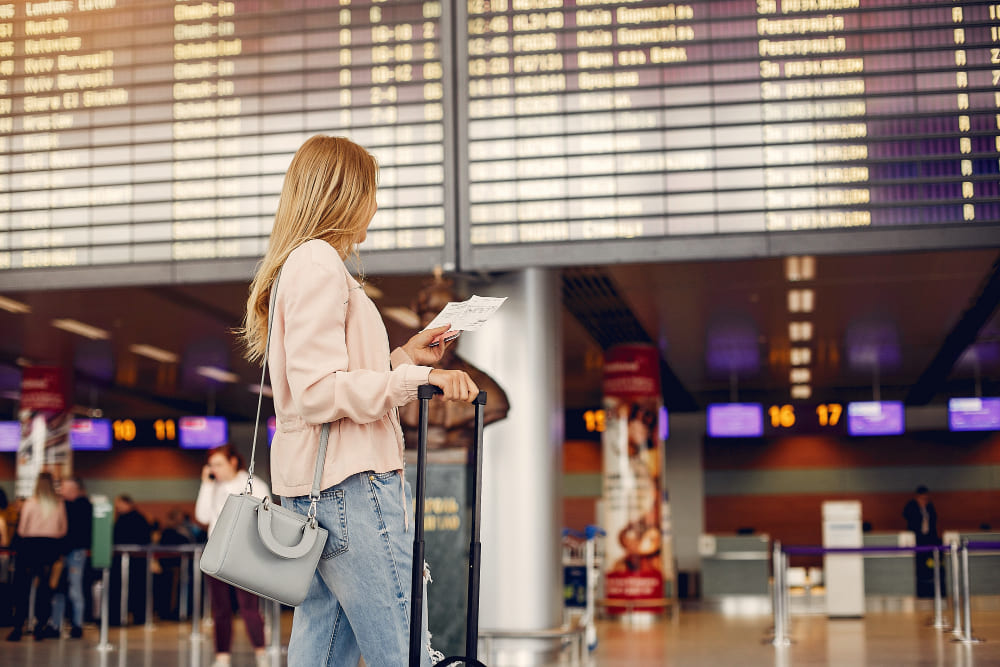 Fonte: Pixabay
Conclusion
Backpacking through Europe on a budget requires thoughtful planning and strategic choices that prioritize value over convenience, with the most successful travelers finding balance between cost-saving measures and meaningful experiences that define their journey.
The combination of smart routing through regional clusters, diverse accommodation strategies beyond traditional hostels, and transportation hacking through passes and rideshares can reduce overall expenses by 40-50% compared to conventional travel approaches without sacrificing the quality of your European adventure.
The true essence of budget backpacking lies not in deprivation but in intentionality – choosing when to save aggressively (on routine transportation and basic accommodations) and when to selectively splurge on experiences that align with your personal travel priorities and create lasting memories of your European journey.
Frequently Asked Questions
What’s the ideal daily budget for backpacking through Europe?
A realistic daily budget ranges from €50-70 in Eastern Europe to €70-100 in Western Europe, including accommodation, food, local transportation, and basic sightseeing but excluding major flights.Which European cities offer the best value for budget backpackers?
Porto, Lisbon, Budapest, Krakow, Prague, Athens, and Split consistently deliver excellent value with affordable accommodations, inexpensive food options, and many free or low-cost attractions.How can I avoid excessive ATM and currency exchange fees while backpacking?
Use a travel-friendly bank account with no foreign transaction fees, withdraw larger amounts less frequently, and consider multi-currency cards like Wise or Revolut that offer near-interbank exchange rates.Are Eurail passes worth the investment for budget travelers?
Eurail passes provide good value primarily for flexible itineraries covering multiple countries within short timeframes, particularly in Western and Central Europe where individual train tickets are expensive.What are the best budget-friendly alternatives to popular but expensive European destinations?
Consider Kotor instead of Dubrovnik, Bologna instead of Florence, Antwerp instead of Amsterdam, Valencia instead of Barcelona, and Salzburg instead of Vienna for similar experiences at lower prices.
