

Best Muslim Dating Apps for Finding a Serious Partner
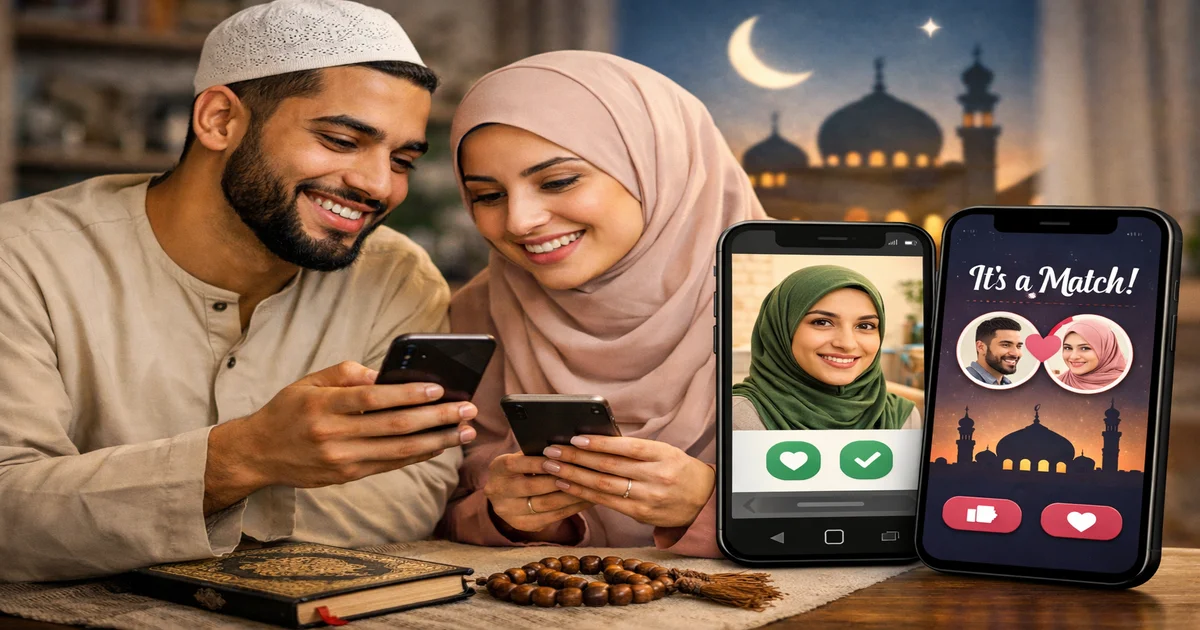
Finding a serious partner as a Muslim is genuinely different from regular dating — and most mainstream apps completely miss the point. I’ve talked to dozens of Muslim singles who wasted months on Tinder or Hinge only to find that nobody there understood the concept of halal courtship, family involvement, or marriage-first intentions. The good news? There are apps built specifically for this, and some of them are surprisingly good. the right Muslim dating app can connect you with someone who shares your values without compromising your faith — you just need to know which ones are worth your time.
Are Muslim Dating Apps Actually Different From Regular Apps?
Yes, and the difference matters more than you’d think. Regular dating apps are built around casual connections first, with serious relationships as a secondary outcome. Muslim-focused apps flip that entirely.
Most of them require you to state your intentions upfront — are you looking for marriage, or just getting to know people? That single feature filters out a huge portion of time-wasters. You also get fields for things like prayer frequency, sect (Sunni, Shia, etc.), and whether you want a chaperone involved in conversations.
Some apps even have a Wali feature, where a family member or guardian can be added to the conversation. That’s not something you’ll find on Bumble.
Which Muslim Dating App Has the Largest User Base?
Muzz (formerly Muzmatch) is the biggest name in the space, and for good reason. It launched in 2015 and now claims over 10 million users across 190 countries. That scale matters when you’re looking for someone compatible — more users means more realistic chances of finding someone in your city, your sect, and your life stage.
The app lets you filter by ethnicity, religiosity level, and even whether someone is a revert. Profiles are verified, and there’s a built-in modesty mode that blurs photos until you choose to reveal them.
Pricing is freemium — the free version works, but premium unlocks unlimited likes and advanced filters. Premium runs about $19.99/month, which is comparable to Match or eHarmony.
One honest note: like any large platform, quality varies. You’ll find serious people and not-so-serious people. The filters help, but they’re not magic.
Is Minder Worth Using in 2026?
Minder is often called “the Muslim Tinder,” which is both accurate and a little misleading. The swipe interface is similar, but the intent is different — most users are there for halal relationships, not hookups.
What I like about Minder is the simplicity. The profile setup is quick, the interface is clean, and it’s free to use at a basic level. It’s particularly popular among younger Muslims in the US and UK who want something familiar but faith-aligned.
The downside is that it’s smaller than Muzz, so in less populated areas, your options thin out fast. It also lacks some of the deeper Islamic features that Muzz offers, like the Wali system.
Minder works best for Muslims in major cities who want a modern app experience with halal intentions. If you’re in a smaller town or want more religious filtering, Muzz is the stronger choice.
What About Apps Built for Specific Muslim Communities?
This is where it gets interesting. Not all Muslims are the same — cultural background, sect, and level of observance all play huge roles in compatibility. A few apps cater to specific communities:
- SingleMuslim.com — One of the oldest platforms, launched in 2000. It has a strong user base in the UK and South Asia. The interface feels dated, but the serious-marriage focus is real. Many success stories come from this one.
- Salams — Rebranded from the original “Muslim Pro” dating feature. It’s clean, modern, and has a growing US user base. Good for younger, more progressive Muslims.
- NikahExplorer — Specifically designed for those seeking nikah (Islamic marriage). Very intent-focused, with detailed Islamic compatibility questions.
- Ishqr — Smaller but thoughtfully designed. It asks deeper questions about values and life goals rather than just swiping on photos.
Each of these serves a slightly different niche. The right one depends on your background, location, and how traditional you want the process to be.
How Do You Stay Safe on Muslim Dating Apps?
Safety on any dating app requires the same basic rules, but there are a few specific things worth knowing for Muslim platforms.
First, verify before you trust. Even on faith-based apps, catfishing happens. Always video call before agreeing to meet, and do a quick reverse image search on profile photos if something feels off.
Second, use the Wali feature if it’s available and appropriate for you. Having a family member involved isn’t just a religious practice — it’s also a practical safety layer.
Third, be upfront about your dealbreakers early. Sect, location, willingness to relocate, family expectations — these conversations are uncomfortable but necessary. having the hard conversations early saves months of emotional investment in the wrong person.
Finally, meet in public first. Always. No exceptions.
Do These Apps Work for Reverts or Non-Arab Muslims?
Absolutely, and this is something worth addressing directly because reverts and non-Arab Muslims sometimes feel like an afterthought on these platforms.
Muzz specifically has a “revert” filter, which lets you find other reverts or people who are open to marrying one. That’s a meaningful feature because the cultural dynamics of a revert’s family situation are genuinely different.
For non-Arab Muslims — South Asian, Southeast Asian, African, Western-born — most apps let you filter by ethnicity. But honestly, the better approach is to be clear in your profile about your background and what you’re looking for culturally. That transparency attracts the right people and filters out incompatible matches faster than any algorithm.
Salams has been particularly praised by Black Muslim users for its inclusive community feel. It’s worth checking out if representation matters to you in choosing a platform.
What Should a Strong Muslim Dating Profile Look Like?
Your profile is doing a lot of work. Here’s what actually gets responses on Muslim dating apps, based on what works:
- Lead with your intentions — State clearly that you’re looking for marriage. Don’t be vague. Serious people respect directness.
- Mention your prayer and practice level honestly — Misrepresenting your religiosity leads to incompatibility down the line.
- Include something personal and specific — “I love hiking and I’m working toward memorizing Juz Amma” tells someone more than “I enjoy traveling and good food.”
- Use a clear, recent photo — On apps with modesty mode, you can control who sees your photo, but having one increases your match rate significantly.
- Mention family — Whether you’re close with your family or have specific expectations about living arrangements, this context matters enormously in Muslim relationships.
Avoid generic phrases like “I’m just a simple person” or “looking for my other half.” Everyone says that. Be specific about who you are and what you’re building toward.
Muzz vs. Salams vs. Minder — Which One Should You Actually Download?
Here’s my honest breakdown:
Choose Muzz if: You want the largest pool of potential matches, you value Islamic features like the Wali system, or you’re outside major Western cities and need global reach.
Choose Salams if: You’re in the US, you’re younger (roughly 20s-early 30s), and you want a modern, clean interface with a progressive-but-faithful community vibe.
Choose Minder if: You’re in a major US or UK city, you want something quick and familiar to use, and you’re comfortable with a swipe-based format.
Use SingleMuslim.com if: You’re South Asian or UK-based, you want a more traditional matchmaking feel, and you don’t mind an older interface in exchange for a serious user base.
Honestly, there’s no rule against using two at once. Many people run Muzz and Salams simultaneously. The time investment is manageable, and the overlap in users is surprisingly low.
using two Muslim dating apps at the same time doubles your exposure without doubling your effort — just keep your profiles consistent.
Conclusion
Muslim dating apps have come a long way. The best ones — Muzz, Salams, Minder, and SingleMuslim — aren’t just regular apps with a prayer emoji slapped on. They’re built around the actual values and process that serious Muslim relationships require.
My honest recommendation: start with Muzz for the scale and features, add Salams if you’re in the US and want a more modern feel, and give yourself at least 60-90 days before judging results. Serious relationships take time to find on any platform.
Don’t compromise on your dealbreakers. Don’t rush the process. And don’t let anyone make you feel like wanting a halal, marriage-focused relationship is too much to ask for — because it isn’t.
Frequently Asked Questions
What is the best Muslim dating app for marriage in 2026?
Muzz is the largest and most feature-rich option, with over 10 million users and Islamic-specific tools like the Wali system and modesty mode.Are Muslim dating apps free to use?
Most offer a free tier with limited features. Muzz premium costs around $19.99/month, while Minder and Salams have similar pricing structures for full access.Is it halal to use a Muslim dating app?
Many Islamic scholars consider it permissible if the intention is marriage, interactions remain modest, and a Wali or guardian is involved where appropriate.How is Muzz different from Minder?
Muzz is larger, has more Islamic features including the Wali system, and has stronger global reach. Minder is simpler and more popular among younger Muslims in the US and UK.Can reverts use Muslim dating apps successfully?
Yes. Muzz has a specific revert filter, and being upfront in your profile about your background attracts compatible, open-minded matches across all the major platforms.
