

Skilled Trades Jobs: High-Demand Careers Without a Degree
As the U.S. job market evolves, skilled trades are experiencing a major resurgence. With aging infrastructure, labor shortages, and increasing demand for essential services, trade careers are not only secure—they’re high-paying, future-proof, and accessible without a college degree.
These jobs are becoming a strategic choice for those who want to enter the workforce quickly, earn solid wages, and gain lifelong, transferable skills that stay relevant regardless of market shifts.
Whether you’re seeking stability, hands-on work, or an alternative to office life, this guide explores the best skilled trades jobs in 2025, their salaries, how to train, and where to apply.
From classic blue-collar roles to emerging green energy careers, the skilled trades landscape is more dynamic—and rewarding—than ever.
Why Skilled Trades Are Booming in 2025
The demand for skilled trades has skyrocketed due to several key factors:
» Aging workforce:
Many experienced tradespeople are retiring, leaving a talent gap. This wave of retirements opens the door for a new generation to step in, often with fast-tracked training and high starting wages.
» Shift away from 4-year degrees:
More Americans are pursuing trade school or apprenticeships. The rising cost of college, paired with student debt concerns, has made skilled trades a practical and appealing alternative.
» Essential infrastructure upgrades:
Roads, energy systems, homes, and buildings need skilled workers. Federal and state investments in infrastructure are creating a surge in demand for qualified professionals to execute critical projects.
» High earning potential:
Some trade jobs pay over $100,000/year with experience and certifications. Unlike many entry-level office jobs, skilled trades can offer lucrative salaries without requiring decades of tenure.
» Fast-track training:
Most trades require 6 months to 2 years of training—not 4 years of college. This means quicker entry into the workforce and a faster return on investment in education.
Top High-Paying Skilled Trades in the U.S. (2025)
» Electrician
- Avg Salary: $55,000–$95,000
- Outlook: Excellent (↑7% growth through 2030)
- Specialties: Residential, commercial, solar, industrial
- Training: Trade school + apprenticeship + license
Electricians remain among the most in-demand professionals in the trades. With the rise of renewable energy and smart buildings, the scope of electrical work is expanding beyond traditional wiring to include solar systems, EV charging stations, and energy-efficient solutions.
» Plumber / Pipefitter
- Avg Salary: $50,000–$90,000+
- Roles: Install, repair, or maintain water, gas, and drainage systems
- Demand: Especially high in urban areas and construction
- Training: Union/non-union apprenticeships, certifications
Plumbers and pipefitters are essential to both new construction and infrastructure repair. Their skills are critical in residential, commercial, and industrial environments, especially as modern systems integrate smart sensors and eco-friendly plumbing.
» HVAC Technician
- Avg Salary: $48,000–$85,000
- Work: Heating, ventilation, air conditioning & refrigeration
- Trend: Smart homes, green energy retrofits
- Training: Tech school + EPA certification
With climate control becoming a necessity in both homes and businesses, HVAC technicians are vital. The increasing demand for energy-efficient systems and green retrofits has positioned this career as a smart long-term bet.
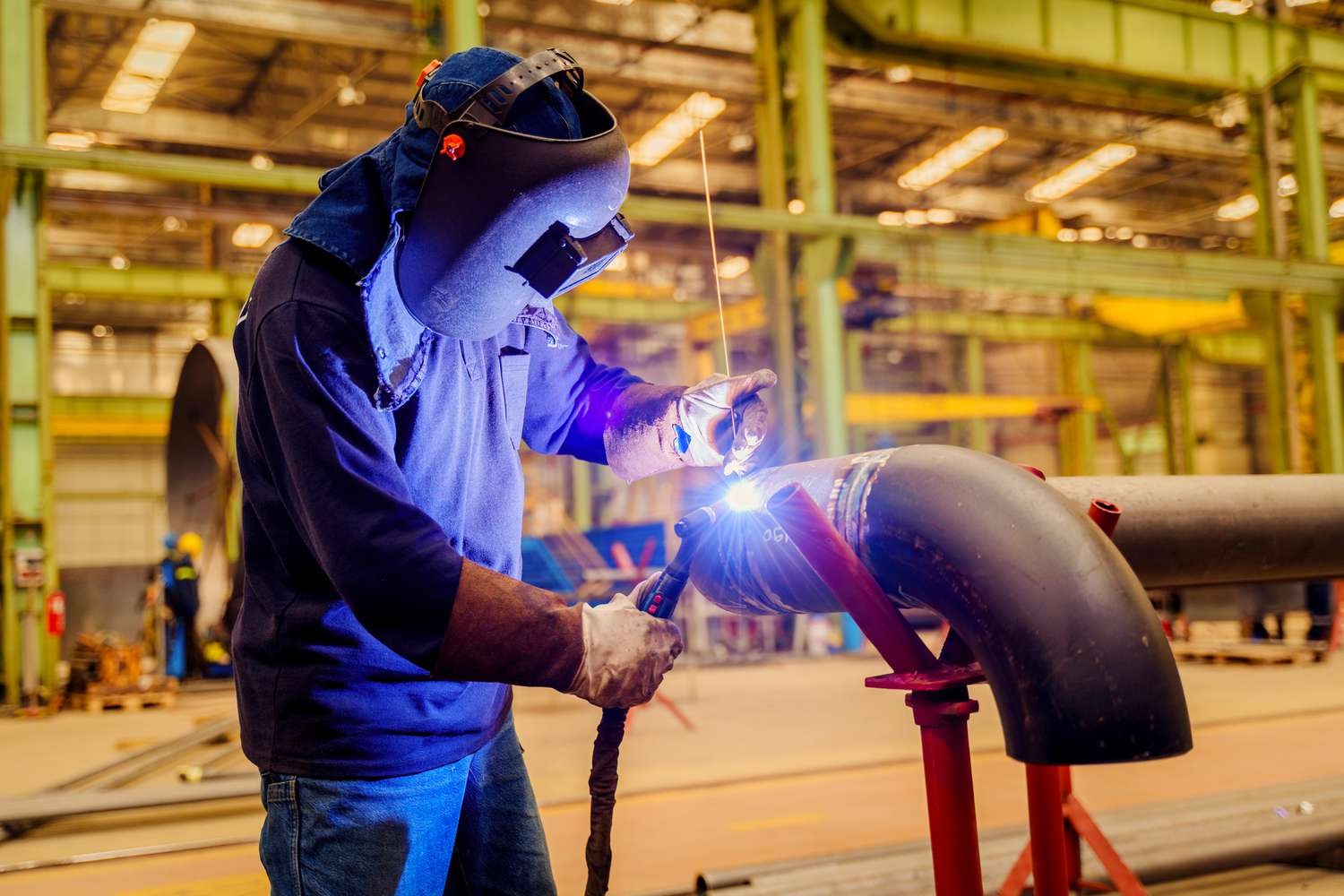
» Welding Technician
- Avg Salary: $45,000–$75,000 (↑ $90,000 for pipeline or underwater welding)
- Industries: Oil, shipbuilding, aerospace, automotive
- Growth: Strong demand in infrastructure and manufacturing
- Training: Welding school + certifications (MIG, TIG, Stick, etc.)
Welders build and repair the backbone of America’s infrastructure. Specialized fields like underwater or pipeline welding command premium salaries and offer global job opportunities in high-stakes environments.
» Industrial Maintenance Technician
- Avg Salary: $50,000–$80,000
- Duties: Maintain and troubleshoot factory or warehouse machinery
- Industries: Logistics, food production, manufacturing
- Training: Vocational programs, electrical/mechanical certifications
These technicians keep America’s supply chains running smoothly. With automation and robotics on the rise, their role has evolved into a highly technical career with long-term growth and stability.
» Carpenter
- Avg Salary: $45,000–$75,000
- Roles: Framing, finishing, cabinetry, remodeling
- Pathways: Union apprenticeships or on-the-job training
- Trend: Demand rising in residential remodeling and eco-construction
Carpentry blends craftsmanship with creativity. As housing demand rises and green building trends grow, skilled carpenters are key to sustainable, customized, and high-efficiency home projects.
» Auto Mechanic / Diesel Technician
- Avg Salary: $40,000–$80,000
- Specializations: EV mechanics, heavy equipment, diesel engines
- Training: Trade school, ASE certifications, manufacturer programs
The auto industry is evolving rapidly with electric and hybrid vehicles. Technicians trained in EV systems and advanced diagnostics are now among the most future-proof professionals in automotive service.
Fast-Growing Emerging Trades
» Wind Turbine Technician
- Avg Salary: $60,000–$100,000 Fastest-growing trade job in the U.S. (↑ 44% growth through 2032)
As renewable energy expands, wind turbine technicians are leading the charge. This career offers outdoor, high-tech work with strong salaries and travel opportunities, especially in wind-rich regions like the Midwest and Texas.
» Solar PV Installer
- Avg Salary: $45,000–$70,000 Growth driven by clean energy demand, especially in western and southern states
Solar installers are crucial in the transition to clean energy. As residential and commercial solar adoption accelerates, these professionals are enjoying a growing number of job openings with meaningful environmental impact.
» Smart Home Installer / Low Voltage Technician
- Avg Salary: $50,000–$85,000 Installs smart security, home networks, and automation systems
This role blends tech savvy with trade skills. From automated lighting to security systems and voice-controlled devices, demand is surging in modern homes and businesses seeking convenience and security.
Education & Certifications: How to Get Started
Most trades do not require a college degree, but formal training is essential. Here’s how to begin:
- Trade Schools:
Programs typically last 6–24 months. Some offer job placement. These schools provide hands-on instruction, industry-aligned curricula, and connections to employers who actively hire graduates. - Apprenticeships:
Learn on the job while getting paid (usually 3–5 years). This traditional path offers real-world experience, mentoring from experts, and a direct route to long-term employment. - Certifications:
Boost credibility and income. Examples:
NCCER, EPA 608, OSHA 10/30, ASE, NABCEP, CompTIA+ (for tech trades)
Certifications demonstrate mastery and often unlock access to specialized or higher-paying roles.
Tip: Many states require licensure for electricians, plumbers, and HVAC techs. Check local regulations before enrolling in a program.
Key Benefits of Skilled Trades Careers
» Competitive Pay
Many trades start at $25–35/hour, with fast raises based on performance and certifications
» Hands-On Work
Ideal for those who dislike desk jobs and thrive in physical, real-world problem solving
» Fast Career Growth
Start earning within a year, with clear paths to senior roles, specialization, or business ownership
» Low to No Student Debt
Training is often cheaper than college, and many apprenticeships pay while you learn
» High Job Security
Skilled labor is essential and hard to outsource, making trades resilient to economic changes
Where to Find Skilled Trade Jobs
» Indeed:
Filter by “Skilled Trades” or “Trade School Friendly”
» Apprenticeship.gov:
Official U.S. site for apprenticeship opportunities
» Local Unions and Trade Associations:
Offer jobs and training
» Vocational Schools:
Often connect graduates with local employers
» Employer Websites:
Construction firms, energy companies, auto shops, and manufacturers list jobs directly
 Source: Pixabay
Is a Skilled Trade Career Right for You?
If you enjoy hands-on problem-solving, want to skip student loans, and are looking for a stable, high-demand career—skilled trades may be the best path forward.
These roles offer long-term growth, good wages, and the satisfaction of building or fixing something real. Whether you prefer working outdoors, in a shop, or with advanced technology, there’s a trade that matches your interests and lifestyle.
Find the top skilled trade jobs hiring in 2025 → Explore Skilled Trades Careers
