

Bumble Review: Is It the Best App for Women Who Want Control?
I’ve been on Bumble on and off for three years, and my honest take is more complicated than the marketing suggests. The “women message first” rule sounds revolutionary — and in some ways it genuinely is.
TL;DR
- Women must send the first message within 24 hours or the Bumble match disappears permanently.
- The women-first rule eliminates the passive inbox flood that makes other apps exhausting for women.
- Bumble For Serious Relationships mode signals intent to other users without changing the core algorithm.
But whether Bumble is actually the best app for women who want control depends on what kind of control you’re looking for.
Let me break down what actually works, what’s frustrating, and whether it’s worth your time in 2026.
How Does Bumble Actually Work for Women?
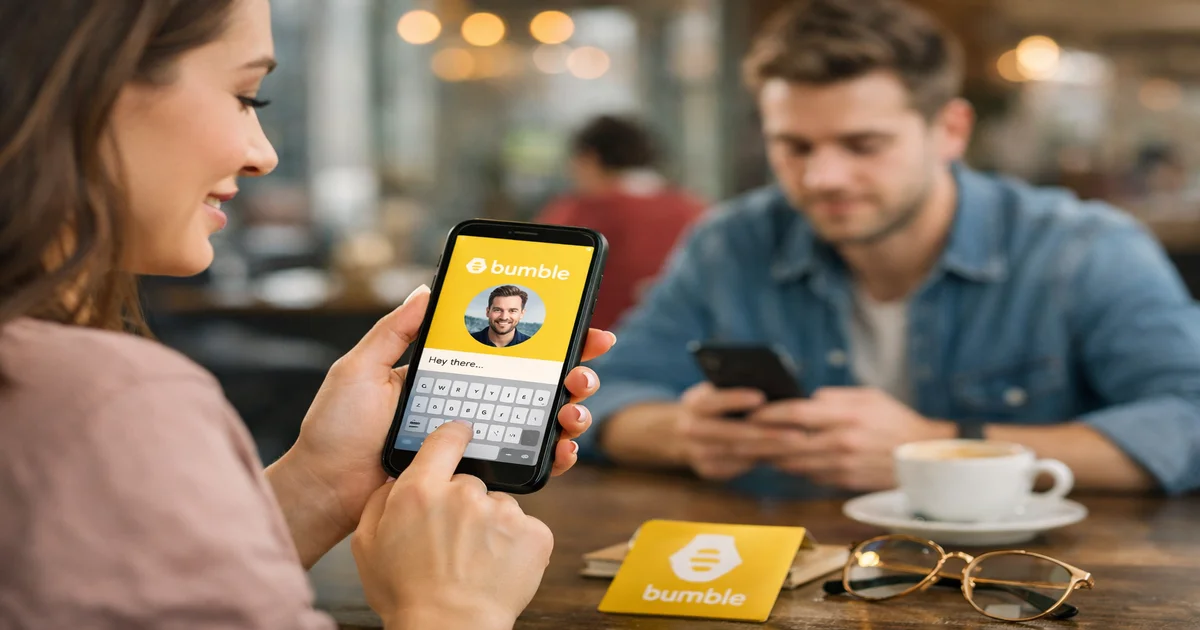
The core mechanic is simple. When two people match, the woman has 24 hours to send the first message. If she doesn’t, the match disappears. For same-sex matches, either person can go first.
This one rule changes the entire dynamic. You’re not sitting there waiting for a “hey” from someone who may or may not put in any effort. You decide who gets your attention.
In practice, I found this genuinely refreshing. The pressure to respond to every opener from every guy evaporates. You’re the one initiating — which means you’re also filtering by your own interest level, not just reacting to whoever slides into your inbox.
Is Bumble Good for Finding Serious Relationships?
Here’s where it gets nuanced. Bumble has three modes: Date, BFF, and Bizz. The Date section is where most people spend their time, and the app has made real moves toward attracting users who want something meaningful.
Features like Bumble Premium let you see who already liked you, filter by relationship goals, and extend matches. The app also lets users display “relationship goals” badges on their profiles — so you can filter for people who want something serious versus casual.
That said, the user base skews younger (mostly 22–35), and like any app, intent varies wildly. I’ve matched with people who listed “long-term relationship” and clearly meant something else entirely.
The honest answer: Bumble can absolutely lead to serious relationships. But the app itself doesn’t guarantee it — your profile, your filters, and your conversations do.
What Makes Bumble Different From Hinge or Tinder?
This is the question I get asked most. Here’s a quick breakdown:
- Tinder is still the volume play — massive user base, but heavily swipe-casual in culture
- Hinge markets itself as “designed to be deleted” and prompts deeper profile questions
- Bumble sits in the middle — more intentional than Tinder, but less prompt-heavy than Hinge
What Bumble does better than both is reduce unsolicited messages. Because women initiate, the inbox experience is dramatically cleaner. No random openers at 2am. No copy-paste “hey beautiful” from 47 different accounts.
The women-first model is Bumble’s biggest differentiator and its most underrated feature — not just for safety, but for psychological comfort while dating.
Does the 24-Hour Rule Actually Help or Hurt?
Honestly? Both.
The 24-hour window creates urgency, which can be good — it forces you to act on matches you’re genuinely interested in rather than letting them pile up. But it also creates anxiety if you’re busy, traveling, or just not in the headspace to craft a message.
Bumble does offer Extends — you get one free extend per day to give a match another 24 hours. Premium users get more. But if you’re matching frequently, you’ll burn through those fast.
The rule also puts pressure on women who aren’t naturally comfortable initiating. Some women love it. Others find it exhausting. I’ve talked to friends who deleted the app specifically because they hated having to go first every single time.
My take: if you’re someone who already tends to be proactive in dating, the 24-hour rule feels empowering. If you prefer to respond rather than initiate, it might feel like a chore.
Is Bumble Premium Worth Paying For?
Bumble’s paid tiers are Bumble Boost and Bumble Premium. Here’s what you actually get:
Bumble Boost (~$16.99/week or ~$34.99/month):
- Rematch with expired connections
- Extend matches before they expire
- See who liked you (limited)
Bumble Premium (~$22.99/week or ~$54.99/month):
- Everything in Boost
- Advanced filters (height, education, relationship goals)
- Incognito mode
- Unlimited swipes and extends
- See everyone who liked you
Is it worth it? For casual use, the free version is genuinely functional. But if you’re serious about finding a partner and want to filter efficiently, Bumble Premium’s advanced filters alone can save you weeks of wasted conversations.
I used Premium for two months and the biggest win was filtering by relationship goals. Cutting out everyone who listed “something casual” immediately improved match quality. That filter alone justified the cost for me.
What Are Bumble’s Biggest Weaknesses?
No app is perfect. Here’s what genuinely frustrates me about Bumble:
1. Match quality varies by location. In major cities like New York, LA, or London, the user base is large and diverse. In smaller cities or rural areas, you might see the same 30 profiles on repeat.
2. The 24-hour pressure isn’t always welcome. Some days you’re just not in the mood to craft an opener, and the clock doesn’t care.
3. Ghost rates are still high. Even though women initiate, plenty of matches go silent after the first exchange. The app controls who messages first — it can’t control who actually shows up.
4. Profile depth is limited. Compared to Hinge’s prompt-based profiles, Bumble profiles can feel thin. You get photos, a short bio, and some badges. That’s often not enough to gauge real compatibility.
5. The algorithm isn’t transparent. Like most apps, Bumble uses an ELO-style system that rewards activity. If you’re not swiping daily, your profile visibility drops.
How Does Bumble Handle Safety Features?
This is one area where Bumble genuinely leads. The app has invested more than most in safety tools:
- Photo Verification — users can verify their photos are real, reducing catfishing
- Private Detector — AI that blurs unsolicited explicit images before you see them
- Block and Report — straightforward and actually responsive
- Video Chat — built-in video calling before you share your number
The Private Detector feature alone is something I wish every app had. Bumble’s safety infrastructure is genuinely ahead of most competitors in 2026, and that matters when you’re deciding where to put your personal information.
Who Is Bumble Actually Best For?
After three years of using it, here’s my honest breakdown:
Bumble works best for:
- Women who want to control the pace of early conversations
- People in mid-to-large cities with active user bases
- Anyone who’s tired of unsolicited openers and inbox chaos
- Users willing to pay for Premium to use advanced filters
Bumble might not be the right fit for:
- Women who prefer to respond rather than initiate
- People in smaller markets where the user pool is thin
- Anyone looking for very deep profile prompts (Hinge does this better)
- Users who want a completely free experience with full features
The app isn’t a magic solution. But for women who want to feel less reactive and more in control of who they’re talking to, it’s one of the better options available right now.
Final Verdict: Should You Use Bumble in 2026?
Bumble is a genuinely good app — not perfect, but thoughtfully designed with women’s experience in mind. The women-first messaging model works. The safety features are real. The Premium filters are worth paying for if you’re serious.
Where it falls short is profile depth and the pressure of the 24-hour window. If you want richer prompts and more context before matching, Hinge is worth running alongside Bumble. The two actually complement each other well.
My recommendation: download Bumble, use the free version for two weeks to get a feel for the user base in your area, then decide if Premium makes sense. Don’t rely on any single app — but if you’re a woman who wants to stop reacting and start choosing, Bumble is one of the best tools you have right now.
Frequently Asked Questions
-
Does Bumble actually work for serious relationships?
Yes, especially if you use the relationship goals filter. Many couples have met on Bumble — but your profile quality and conversation effort matter more than the app itself. -
What happens if a woman doesn’t message first on Bumble?
The match expires after 24 hours and disappears from both users’ queues. You can use one free Extend per day to give a match more time. -
Is Bumble better than Hinge for women?
Bumble gives women more control over initiation; Hinge offers deeper profile prompts. Many women use both simultaneously for the best results. -
How much does Bumble Premium cost in 2026?
Bumble Premium runs approximately $22.99 per week or $54.99 per month, with discounts for longer subscriptions. Prices vary slightly by region. -
Is Bumble safe to use?
Bumble has strong safety features including photo verification, an AI-powered Private Detector for explicit images, and in-app video calling — making it one of the safer mainstream dating apps available.