

Digital Wallets and Contactless Payments Reshaping US Credit Card Usage
The evolution of payment technology has fundamentally transformed how Americans pay for goods and services, with digital wallets and contactless methods rapidly displacing traditional credit card swipes and signature authorizations that dominated the landscape for decades.
The Rise of Digital Wallets in American Consumer Culture
Digital wallets have experienced explosive growth in the United States, with adoption rates increasing by over 43% since the beginning of the pandemic as consumers sought touch-free payment alternatives that minimized physical contact during transactions.
Major technology companies including Apple, Google, and Samsung have strategically positioned their digital wallet offerings as essential lifestyle tools rather than mere payment methods, integrating loyalty programs, transit passes, event tickets, and even digital identification to create comprehensive mobile ecosystems.
Financial institutions have responded to this shift by developing proprietary wallet solutions and partnerships that maintain their relevance in the payment chain, ensuring they don’t become invisible background processors while tech giants capture the valuable consumer interface and data insights.
How Contactless Technology Works Behind the Scenes
Contactless payment systems utilize Near Field Communication (NFC) technology that establishes a radio frequency connection between the payment device and terminal when held within approximately two inches, completing the transaction in less than a second without physical contact.
The tokenization process that powers these systems replaces sensitive card details with unique digital identifiers for each transaction, creating a sophisticated security layer that renders intercepted data useless to potential fraudsters attempting to capture payment information.
Payment processors have invested billions in upgrading terminal infrastructure across the United States to accommodate the contactless revolution, with an estimated 95% of in-store terminals now supporting tap-to-pay functionality compared to just 40% five years ago.
Security Enhancements Driving Consumer Confidence
Biometric authentication methods including fingerprint scanning, facial recognition, and voice verification have significantly strengthened digital payment security, requiring physical presence of the authorized user and dramatically reducing unauthorized transaction attempts.
Transaction monitoring systems powered by artificial intelligence continuously analyze spending patterns, location data, and merchant information to identify potentially fraudulent activities in real-time, often detecting suspicious behavior before consumers themselves notice anything unusual.
The implementation of dynamic CVV technology generates temporary security codes that change after each transaction or set time period, eliminating the vulnerability of static card numbers and verification codes that can be compromised in data breaches.
Changing Consumer Behaviors and Merchant Adaptation
Millennials and Gen Z consumers have emerged as the primary drivers of contactless payment adoption, with surveys indicating that 74% of consumers under 35 have used digital wallets within the past month compared to just 31% of those over 55.
Quick-service restaurants and convenience retailers have experienced the most dramatic shift toward contactless payments, reporting that tap-to-pay transactions now account for over 60% of all purchases as consumers prioritize speed and convenience during routine transactions.
Merchants who have fully embraced contactless technology report average transaction time reductions of 15-20 seconds per customer, creating significant operational efficiencies during peak periods while simultaneously reducing cash handling costs and associated security concerns.
The Pandemic’s Lasting Impact on Payment Preferences
Health concerns during the COVID-19 pandemic accelerated contactless payment adoption by an estimated five years, with 82% of consumers viewing touchless transactions as “significantly more sanitary” than handling cash or touching shared payment terminals.
The psychological shift toward contactless methods has proven remarkably persistent, with recent studies showing that 67% of consumers who adopted digital wallets during the pandemic intend to continue using them as their primary payment method regardless of health concerns.
Financial institutions report that contactless transaction volumes have maintained steady growth even as pandemic restrictions eased, suggesting that the convenience factor rather than health concerns has become the primary driver of continued adoption.
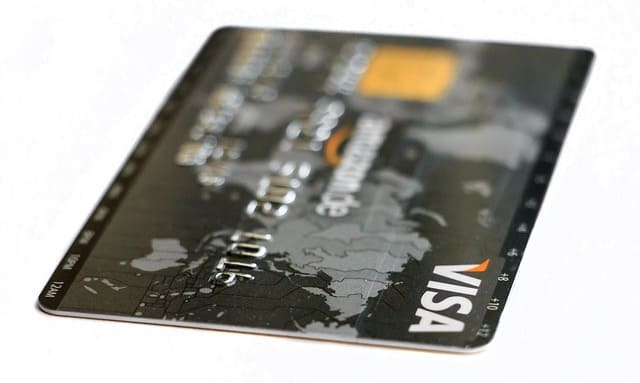 Fonte: Pixabay
Conclusion
Digital wallets and contactless payments have fundamentally altered the American credit card landscape by offering superior convenience, enhanced security, and a seamless integration with increasingly digital lifestyles that traditional plastic cards simply cannot match.
Financial institutions and card networks that proactively embrace this transformation by developing innovative contactless solutions will maintain their relevance, while those clinging to outdated payment paradigms risk losing market share to more agile competitors who better understand evolving consumer preferences.
The future of payments clearly lies in invisible, frictionless transactions that happen seamlessly in the background while consumers focus on their shopping experience, representing not just a technological evolution but a complete reimagining of how financial transactions integrate into daily life.
Frequently Asked Questions
How secure are digital wallets compared to physical credit cards?
Digital wallets typically offer superior security through tokenization, biometric authentication, and encrypted transactions that significantly reduce fraud risks compared to physical cards that can be lost or stolen.Do merchants pay higher fees for accepting contactless payments?
Most payment processors charge identical fees for contactless and traditional card transactions, though merchants may incur initial costs upgrading terminals to support the newer technology.Can digital wallets be used for international travel purchases?
Yes, major digital wallet platforms work internationally wherever contactless payments are accepted, often providing better exchange rates and lower foreign transaction fees than traditional credit cards.What happens if your phone battery dies while shopping with a digital wallet?
This represents one vulnerability of mobile payments – when your device loses power, you’ll need a backup payment method like a physical card or cash to complete transactions.Will physical credit cards eventually disappear completely?
While digital methods continue gaining popularity, physical cards will likely remain available for the foreseeable future to accommodate technology gaps, consumer preferences, and situations where digital payments aren’t practical.
