

Discover the AI System That Identifies Rare and Valuable Coins
The world of coin collecting has entered a revolutionary era where artificial intelligence systems can now instantly identify rare coins worth thousands or even millions of dollars, transforming what was once a painstaking process requiring years of expertise into an accessible technology available to both seasoned numismatists and casual collectors alike.
How AI Technology Is Transforming Coin Identification
Traditional coin identification methods relied heavily on expert knowledge, reference books, and often subjective visual assessments that could lead to misidentifications or missed opportunities when discovering potentially valuable specimens in collections or circulation.
The integration of machine learning algorithms with high-resolution imaging capabilities has created systems that can analyze minute details like wear patterns, edge reeding, die variations, and patina characteristics that human eyes might overlook even with magnification tools.
These sophisticated AI platforms maintain constantly updated databases containing millions of reference images and historical price data, allowing them to not only identify a coin but also estimate its current market value based on comparable recent sales and condition assessments.
The Science Behind Numismatic AI Recognition Systems
Computer vision technology forms the foundation of coin recognition AI, employing convolutional neural networks specifically trained to distinguish between genuine rarities and common counterfeits by analyzing microscopic details that often determine authenticity.
The most advanced systems incorporate multispectral imaging that can detect composition differences invisible to the naked eye, revealing whether a coin contains the correct metallic content for its purported mint date and type.
Machine learning models continuously improve through feedback loops, becoming increasingly accurate with each new coin they process, which means today’s systems can distinguish between subtle mint varieties that might represent thousands of dollars in value difference.
Practical Applications for Collectors and Dealers
Professional dealers have rapidly adopted AI identification tools for preliminary assessments during estate purchases, allowing them to quickly spot valuable pieces among large collections without risking oversight of potentially significant finds.
Casual collectors benefit tremendously from smartphone apps that incorporate this technology, empowering anyone to scan their pocket change or inherited collections and potentially discover overlooked treasures hiding in plain sight.
Auction houses increasingly utilize AI authentication as a supplementary verification step alongside traditional expert opinions, providing buyers with greater confidence in provenance and authenticity when bidding on high-value numismatic items.
Benefits of AI Over Traditional Identification Methods
The speed of AI coin identification represents perhaps its most significant advantage, with systems capable of analyzing hundreds of coins in minutes rather than the hours or days required for manual expert examination.
Error reduction stands as another critical benefit, as AI systems don’t experience fatigue, distraction, or confirmation bias that might cause human experts to miss subtle distinguishing features between common and rare varieties.
Democratization of expertise has occurred through these technologies, allowing even beginners to access sophisticated identification capabilities that previously required decades of specialized knowledge and experience to develop.
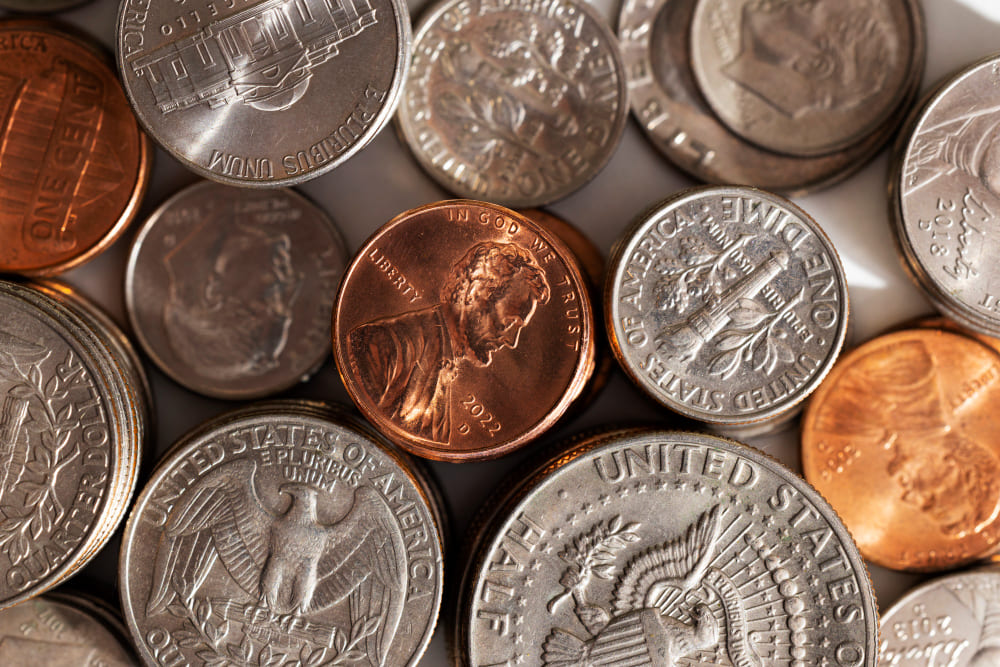 Source: Pixabay
Conclusion
Artificial intelligence has fundamentally transformed the landscape of numismatics by providing unprecedented accuracy and accessibility in rare coin identification, effectively bridging the knowledge gap that once existed between expert dealers and casual enthusiasts.
These technologies continue to evolve rapidly, with newer systems incorporating blockchain for provenance tracking and augmented reality features that can overlay historical information about identified coins, creating richer educational experiences for collectors at all levels.
The democratization of rare coin identification through AI not only protects collectors from potential scams and misidentifications but also reignites interest in numismatics among younger generations who appreciate the blend of historical artifacts with cutting-edge technology, ensuring this centuries-old hobby continues to thrive in the digital age.
Frequently Asked Questions
How accurate are AI coin identification systems compared to human experts?
Top-tier AI systems achieve accuracy rates exceeding 95% for common rarities, though human experts still maintain advantages with extremely rare specimens or coins with unusual damage patterns.Can AI coin identification apps work with damaged or worn coins?
Yes, advanced AI systems can identify significantly worn or damaged coins by analyzing remaining details and comparing wear patterns to known examples in their reference databases.What equipment do I need to use coin identification AI technology?
Most consumer applications require only a smartphone with a decent camera, though professional systems might utilize specialized lighting rigs and macro photography equipment for optimal results.Are there subscription costs associated with coin identification AI services?
Many platforms offer tiered pricing models, from free basic identification services to premium subscriptions providing detailed valuation reports and authentication certificates for serious collectors.Can AI technology detect counterfeit or altered coins?
Modern AI systems excel at counterfeit detection by identifying microscopic inconsistencies in metal flow patterns, edge details, and surface characteristics that typically appear in fraudulent specimens.
