

Marketing Influence on Eating Preferences
The food industry employs sophisticated marketing strategies that shape our eating habits far more profoundly than most consumers realize, influencing not just what we crave but fundamentally altering our perception of taste, value, and satisfaction through carefully orchestrated sensory and psychological triggers.
The Psychology of Food Marketing Colors
Food marketers leverage color psychology extensively, using specific hues to trigger appetite, create brand recognition, and even influence taste perception before you take your first bite of a product.
Red and yellow stimulate appetite and create feelings of urgency, which explains why these colors dominate fast-food branding from McDonald’s to Burger King, subtly encouraging quicker and often larger purchases.
Blue, ironically, appears rarely in food marketing as it’s an appetite suppressant, except when strategically used for diet products where companies intentionally want to create a psychological association with control and moderation.
Celebrity Endorsements and Eating Behavior
Celebrity endorsements create powerful neurological associations between admired public figures and food products, effectively transferring the positive emotions we feel toward celebrities onto otherwise ordinary consumables.
Research demonstrates that children exposed to athlete endorsements of unhealthy foods develop stronger preferences for these products, despite the cognitive dissonance between athletic achievement and nutritionally poor dietary choices.
The effectiveness of celebrity influence extends beyond conscious awareness, with studies showing that consumers often cannot articulate why they chose a celebrity-endorsed food product but demonstrate measurable preference changes in blind testing scenarios.
Packaging Psychology and Portion Distortion
Food packaging design manipulates perception through strategic use of shape, size, and visual elements that can make consumers believe they’re getting more value or consuming less than they actually are.
“Shrinkflation”—where manufacturers reduce product size while maintaining price points—relies on package design to mask the change, using taller but narrower containers or adding structural elements that create an illusion of equivalent volume.
Health claims on packaging (“low fat,” “natural,” “organic”) trigger what researchers call the “health halo effect,” where consumers perceive these products as universally healthier and consequently consume significantly larger portions than they would otherwise.
Digital Marketing’s Influence on Food Choices
Algorithmic targeting in digital food marketing creates personalized temptation ecosystems that track consumption patterns and strategically present food advertisements precisely when willpower is likely to be lowest based on historical behavior data.
Social media platforms have revolutionized food marketing through user-generated content, with restaurants designing “Instagram-worthy” dishes specifically engineered to encourage social sharing—effectively turning consumers into unpaid marketing channels.
The rise of food delivery apps has fundamentally altered consumption patterns through convenience algorithms that remember past orders and strategically suggest similar items, creating digital habit loops that reinforce existing dietary patterns rather than encouraging variety.
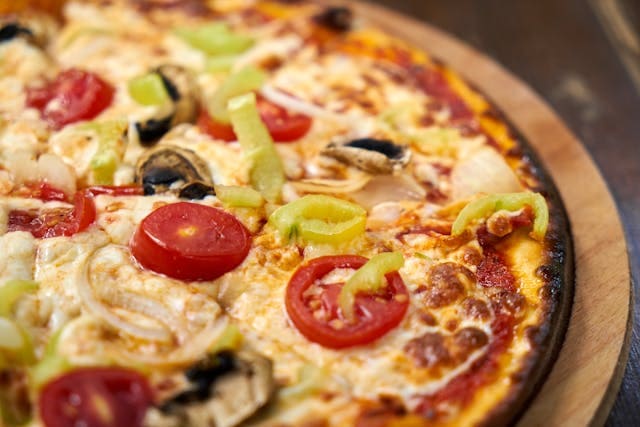 Fonte: Pixabay
Conclusion
Marketing’s influence on our eating preferences operates through multiple sophisticated channels that bypass rational decision-making, creating powerful subconscious associations that can override nutritional knowledge and dietary intentions.
Developing awareness of these tactics—from color psychology to digital targeting—represents the first step toward reclaiming agency in food choices, allowing consumers to recognize when their preferences are being externally manipulated rather than internally generated.
The most effective defense against unwanted marketing influence is mindful consumption: taking time to question cravings, examining the source of food desires, and consciously evaluating whether a particular food choice aligns with personal health goals rather than responding automatically to carefully engineered external cues.
Frequently Asked Questions
How does color affect food perception and taste expectations?
Colors create psychological expectations about taste—red and yellow increase appetite and perceived sweetness, while blue suppresses hunger and can make food seem less appealing.Why are celebrity endorsements so effective for food products?
They leverage parasocial relationships and neural associations, transferring positive feelings about the celebrity to the product while creating aspirational connections that bypass rational nutritional evaluation.What psychological tactics do food packages use to influence purchases?
Strategic sizing, shape manipulation, health claim positioning, and visual hierarchy all create perceptions of value, portion appropriateness, and nutritional quality that often contradict actual product attributes.How has social media changed food marketing strategies?
It’s created user-generated marketing ecosystems where visual appeal and “shareability” often outweigh taste, while enabling hyper-targeted advertising based on demonstrated preferences and behavioral patterns.What techniques help consumers resist unwanted marketing influence?
Practicing mindful eating, imposing a decision delay before impulse purchases, shopping with specific lists, and educating oneself about common marketing tactics all help maintain autonomy in food choices.
