

Nutrition Challenges in Fast Food Choices
Navigating the nutritional landscape of fast food restaurants presents significant health challenges for millions of consumers who rely on these convenient options daily, with hidden caloric bombs lurking in seemingly innocent menu items that can derail even the most disciplined dietary intentions.
The Deceptive Calorie Content in Fast Food
Fast food establishments often create menu items designed to maximize flavor through strategic combinations of fat, salt, and sugar, resulting in products that deliver excessive calories in surprisingly small portions.
The average fast food meal contains approximately 1,100-1,500 calories, representing over half the recommended daily caloric intake for most adults, yet these meals typically leave consumers hungry again within a few hours due to their poor nutritional density.
Many consumers underestimate their fast food calorie consumption by 20-40% according to research, creating a significant disconnect between perceived and actual intake that contributes to unintentional weight gain over time.
Sodium and Fat Overload in Popular Items
The sodium content in typical fast food meals ranges from 1,000 to 2,300 milligrams per serving, which approaches or exceeds the American Heart Association’s recommended daily limit in just one meal, significantly increasing risks for hypertension and cardiovascular issues.
Trans fats, though reduced in recent years due to regulatory pressure, still appear in many fast food items through partially hydrogenated oils used for frying and in processed ingredients, contributing to increased LDL cholesterol levels and inflammation.
The combination of high sodium and saturated fat creates a particularly problematic nutritional profile that extends beyond immediate weight concerns to long-term health implications, including increased risk for metabolic syndrome and type 2 diabetes.
Misleading Marketing and Health Halos
Fast food chains have mastered the art of “health washing” by prominently featuring terms like “fresh,” “natural,” and “garden” on their menus, creating a psychological health halo effect that leads consumers to underestimate caloric content by up to 30%.
Menu items marketed as “salads” often contain more calories and fat than standard burgers when accounting for cheese, croutons, bacon bits, and creamy dressings, with some premium salads exceeding 800 calories and 50 grams of fat.
The strategic placement of a few genuinely healthier options on menus serves a dual purpose of attracting health-conscious consumers while providing psychological permission for others to order less nutritious items, a phenomenon nutritionists call the “vicarious goal fulfillment effect.”
Hidden Sugar Sources in Fast Food
Sugar appears in unexpected places throughout fast food menus, with savory items like burger buns, chicken coatings, and condiments often containing significant amounts of added sweeteners that contribute to the average American’s excessive sugar consumption.
A single fast food meal with a sweetened beverage can contain 25-30 teaspoons of sugar, far exceeding the American Heart Association’s recommended daily limit of 6-9 teaspoons and potentially triggering blood sugar spikes followed by energy crashes.
Many “healthy” menu alternatives like smoothies, yogurt parfaits, and oatmeal options contain surprisingly high sugar contents, with some breakfast items containing more sugar than multiple servings of candy or cookies despite their wholesome marketing.
Portion Distortion and Value Marketing
The fast food industry has systematically increased portion sizes over the past three decades, with today’s “regular” serving sizes often 2-5 times larger than original portions, creating a distorted perception of appropriate meal sizes among regular consumers.
Value meal combinations and “super-sizing” options provide strong economic incentives for consumers to purchase larger portions, with the incremental cost of additional food being minimal compared to the perceived value, encouraging overconsumption through financial motivation.
The competitive “more-for-less” marketing approach has created an environment where consumers expect increasingly larger portions at low prices, making appropriately sized meals seem inadequate and reinforcing consumption patterns that significantly exceed nutritional requirements.
Strategies for Healthier Fast Food Choices
Proactive menu research before visiting fast food establishments allows consumers to identify lower-calorie options, with most major chains now providing comprehensive nutritional information online that can guide more informed selections.
Customization offers one of the most effective strategies for improving fast food nutrition, with simple modifications like removing cheese, requesting sauces on the side, choosing grilled over fried proteins, and substituting sides potentially reducing caloric impact by 30-50%.
Portion control techniques such as splitting meals, ordering from the children’s menu, or immediately setting aside half the food for later consumption can maintain the convenience of fast food while significantly reducing its negative nutritional impact.
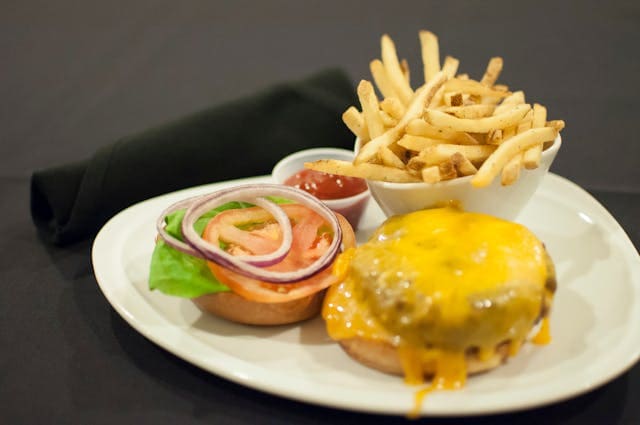 Fonte: Pixabay
Conclusion
The nutritional challenges presented by fast food extend far beyond simple calorie counting, encompassing complex issues of portion distortion, deceptive marketing, and the strategic formulation of hyper-palatable foods designed to override natural satiety signals.
Despite these challenges, consumers can make significantly healthier choices within the fast food environment by approaching these meals with awareness, planning, and strategic modifications that maintain convenience while reducing nutritional pitfalls.
The occasional fast food meal can fit within an otherwise balanced diet when approached mindfully, with the key being to view these meals as occasional conveniences rather than dietary staples, while developing a toolkit of personal strategies to navigate their nutritional complexities.
Frequently Asked Questions
What is the healthiest type of fast food restaurant to choose?
Fast food establishments focusing on grilled proteins, customizable options, and fresh vegetables (like Mediterranean or Mexican-inspired chains) typically offer more nutritionally balanced choices.Can I eat fast food while trying to lose weight?
Yes, weight loss is possible while including occasional fast food by choosing lower-calorie options, practicing portion control, and accounting for these meals within your overall daily caloric budget.Why do I feel hungry shortly after eating a large fast food meal?
ast food often lacks adequate fiber and protein while containing refined carbohydrates that spike blood sugar, leading to rapid hunger return despite the high calorie content.Are fast food salads always healthier than sandwiches or burgers?
No, many fast food salads with full-fat dressings, cheese, and fried toppings contain more calories and fat than basic sandwiches or small burgers with simpler ingredients.How can I determine the nutritional content of fast food items when information isn’t posted?
Most chains provide complete nutritional information on their websites or apps, and third-party nutrition tracking apps often contain extensive fast food databases for on-the-spot research.
