

The dominance of Visa and Mastercard in the US card payment market
In the vast landscape of American financial transactions, Visa and Mastercard reign supreme, collectively processing over 80% of all card payments in the United States and establishing what many economists and regulators have increasingly characterized as a textbook duopoly with far-reaching implications for the entire economy.
How Visa and Mastercard built their payment empire
The dominance of these two payment giants didn’t materialize overnight but rather evolved through decades of strategic business decisions, technological investments, and extensive network building that created nearly insurmountable barriers to entry for potential competitors in the card payment ecosystem.
Both companies transformed from member-owned associations into publicly traded corporations in the 2000s, a pivotal shift that allowed them to aggressively expand their global footprint while developing sophisticated payment technologies that financial institutions and merchants found increasingly difficult to operate without.
Their four-party model—connecting cardholders, issuing banks, merchants, and acquiring banks—created a powerful network effect where each new participant increased the value for all existing users, essentially turning their payment infrastructure into essential utilities for modern commerce.
The economics of interchange fees and their controversy
At the heart of Visa and Mastercard’s business model lies the contentious interchange fee system, which typically extracts between 1.5% and 3.5% of each transaction’s value, creating a revenue stream that exceeded $138 billion in 2023 alone according to industry analysts.
These fees, while invisible to most consumers, represent significant operational costs for merchants who have little choice but to accept these payment methods or risk losing substantial business in an increasingly cashless economy.
Critics argue that in a truly competitive market, these fees would face downward pressure, yet they have remained stubbornly high in the United States compared to regions with stronger regulatory frameworks like the European Union, where interchange fees are capped at 0.2% for debit cards and 0.3% for credit cards.
The fee structure’s complexity—with different rates based on merchant category, card type, and transaction method—creates an opaque system that many small business advocates claim deliberately obscures the true cost of payment processing and inhibits meaningful price competition.
Regulatory challenges and antitrust concerns
The Justice Department and Federal Trade Commission have scrutinized the duopoly’s practices for decades, resulting in several major settlements including a landmark $6.2 billion agreement in 2018 over allegations that Visa and Mastercard fixed prices and restricted merchants’ ability to steer customers toward lower-cost payment options.
Recent bipartisan legislative efforts, including the Credit Card Competition Act, aim to introduce more competition by requiring large banks to offer multiple payment networks on their credit cards, potentially breaking the stranglehold that Visa and Mastercard maintain over the routing of transactions.
The networks’ rules prohibiting merchants from surcharging customers who use high-fee premium cards or offering discounts for cash payments have faced particular regulatory scrutiny, with several court decisions gradually eroding these restrictions though many merchants remain reluctant to implement differential pricing for fear of customer backlash.
European regulators have taken more aggressive action against the duopoly, imposing strict fee caps and network access requirements that have resulted in significantly lower merchant costs across the EU, creating a stark contrast with the American market that many reform advocates point to as evidence of regulatory failure.
The technological moat protecting the duopoly
Both payment networks have invested billions in sophisticated fraud prevention systems, tokenization technologies, and security protocols that create significant technological barriers for potential competitors who must match these capabilities to gain merchant and issuer trust.
Their early adoption of EMV chip technology, contactless payments, and digital wallet integration has allowed them to maintain their relevance even as consumer payment preferences evolve, effectively neutralizing potential disruption from technological innovation.
The massive scale of their operations enables them to process millions of transactions per second with near-perfect reliability, setting a performance standard that few competitors can match without similar decades-long investments in infrastructure and expertise.
Their control over payment standards and specifications gives them enormous influence over the entire payment ecosystem, allowing them to effectively determine which innovations reach market adoption and which remain peripheral to the mainstream payment infrastructure.
Challenges from alternative payment methods
Digital wallets like Apple Pay and Google Pay, while growing in popularity, ultimately route most transactions through the existing Visa and Mastercard networks, essentially adding a technological layer atop the duopoly rather than truly disrupting their business model.
Cryptocurrency and blockchain-based payment solutions have promised to revolutionize the payment landscape, but adoption remains limited for everyday transactions, and regulatory uncertainty continues to constrain their potential to seriously challenge the established networks in the near term.
“Buy Now, Pay Later” services have carved out a niche in the payment ecosystem, but many still rely on traditional card networks for funding sources, and their economic sustainability remains unproven as interest rates rise and regulatory scrutiny increases.
Real-time payment systems like FedNow offer potential alternatives for some transaction types, but they face significant hurdles in consumer adoption and merchant integration that will take years to overcome before they can meaningfully impact the duopoly’s market position.
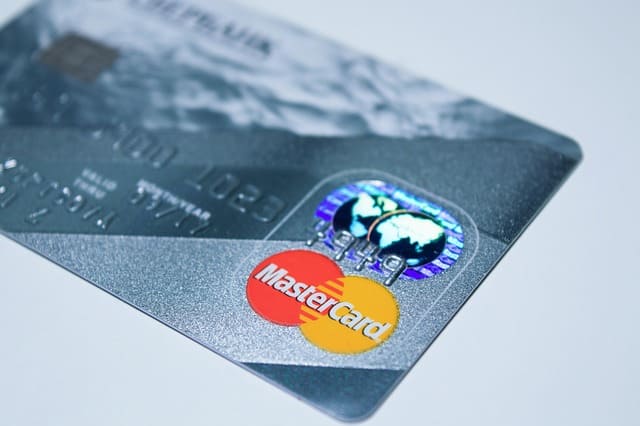 Fonte: Pixabay
Conclusion
The entrenched dominance of Visa and Mastercard represents one of the most successful and durable business duopolies in modern economic history, built on network effects, technological superiority, and strategic relationships that continue to resist meaningful disruption despite decades of regulatory and competitive challenges.
For consumers, this duopoly presents a paradox of convenience and hidden costs—seamless payment experiences subsidized by higher prices across the entire economy as merchants pass along the billions in interchange fees through imperceptibly higher prices for goods and services regardless of payment method.
The future of this payment ecosystem will likely be shaped by the ongoing tension between regulatory intervention, technological innovation, and the enormous structural advantages these networks have accumulated, with significant implications for everything from consumer privacy and merchant profitability to financial inclusion and the very nature of money itself.
Frequently Asked Questions
What percentage of US card payments do Visa and Mastercard process?
Visa and Mastercard collectively process approximately 80-85% of all card payments in the United States, with Visa holding the larger share of this duopoly.How do interchange fees affect consumer prices?
Interchange fees typically increase consumer prices by 1-2% across all purchases as merchants build these processing costs into their pricing models, regardless of whether customers pay with cash or card.Why haven’t digital payment innovations disrupted the Visa-Mastercard duopoly?
Most digital payment innovations like mobile wallets and payment apps still route transactions through Visa and Mastercard networks, essentially adding convenience layers rather than replacing the underlying infrastructure.What regulatory actions have been taken against the card network duopoly?
Regulatory actions include antitrust lawsuits resulting in multi-billion dollar settlements, rules allowing merchant surcharging, and proposed legislation requiring multiple network routing options for credit transactions.Could real-time payment systems like FedNow challenge the card networks?
While FedNow offers potential for disruption, it faces significant hurdles in consumer adoption, merchant acceptance, and building fraud prevention capabilities comparable to the established card networks.
