

The Road to FIFA Club World Cup Grows Hotter for Clubs
The race for qualification to the expanded FIFA Club World Cup is reaching fever pitch as elite clubs across the globe battle for coveted spots in the prestigious tournament, with competition intensifying dramatically as leagues enter their crucial phases and continental championships serve as primary qualification pathways.
How the New FIFA Club World Cup Format Changes Everything
The revamped FIFA Club World Cup represents the most significant transformation in international club competition since the Champions League rebrand, expanding from a brief annual tournament to a comprehensive 32-team championship held every four years.
This revolutionary format creates unprecedented opportunities for clubs from diverse confederations to compete on truly equal footing, potentially reshaping global football hierarchies and financial structures for decades to come.
Qualification Pathways That Are Heating Up Competition
European clubs face perhaps the most grueling qualification battle, with Champions League performance over multiple seasons determining which powerhouses earn the coveted spots allocated to UEFA’s confederation.
The South American qualification route through Copa Libertadores has similarly intensified, with Brazilian and Argentine giants investing heavily in squad development specifically to secure their place in this lucrative global showcase.
North American clubs have dramatically shifted their strategic priorities, with MLS and Liga MX teams increasingly viewing the Concacaf Champions League as their golden ticket to worldwide recognition and the financial windfall the Club World Cup represents.
Financial Stakes Creating Unprecedented Pressure
The economic implications of qualification cannot be overstated, with participating clubs projected to receive upwards of $50 million in base compensation, before considering additional revenue from sponsorships, merchandise, and global brand expansion opportunities.
This financial incentive has prompted several elite European clubs to reallocate resources toward continental competition, sometimes even at the expense of domestic league campaigns, representing a fundamental shift in competitive priorities.
The ripple effects extend to transfer strategies, with clubs increasingly targeting players with proven track records in continental competitions who can immediately strengthen their qualification prospects rather than focusing on long-term development projects.
How Smaller Clubs Are Finding Pathways to the Global Stage
Surprise qualifiers from less-heralded leagues have emerged through strategic continental cup runs, demonstrating that tactical discipline and cohesive team building can sometimes overcome the financial disparities that typically determine international success.
These underdog stories have captured global imagination and created new football narratives, with clubs like Al Hilal from Saudi Arabia and Monterrey from Mexico proving that the expanded format genuinely creates opportunities beyond the traditional European and South American powerhouses.
The qualification structure deliberately balances geographic representation with competitive merit, ensuring the tournament maintains global relevance while still featuring the highest caliber of play possible across all participating confederations.
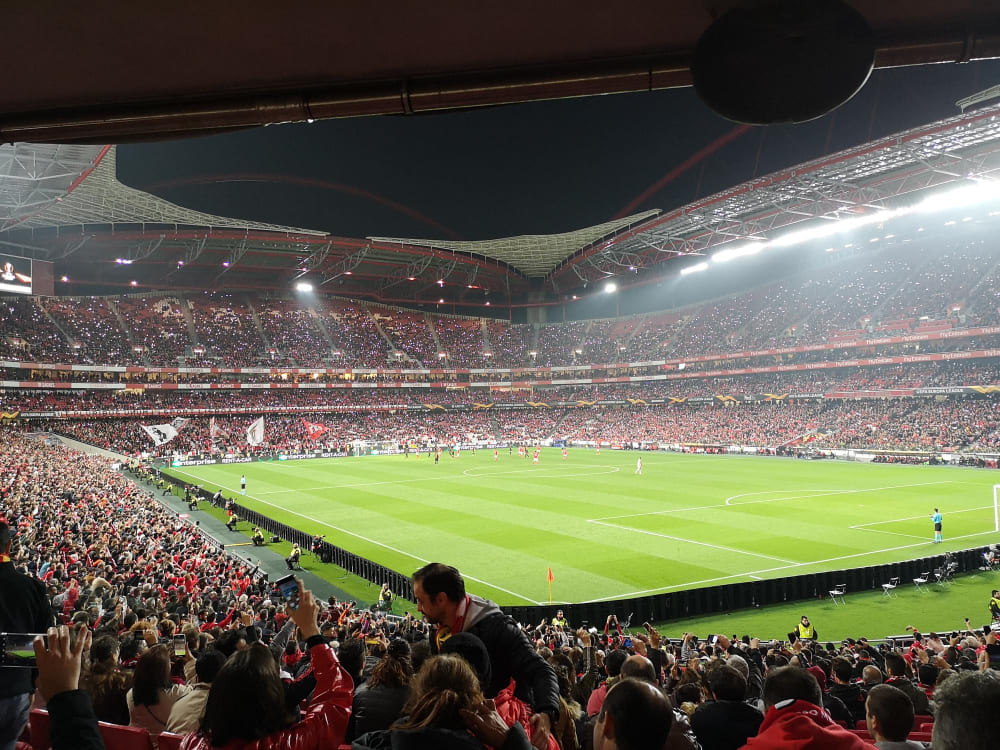 Fonte: Pixabay
Conclusion
The intensifying competition for FIFA Club World Cup qualification has fundamentally transformed how elite clubs approach their seasonal objectives, with continental championships now carrying unprecedented significance beyond their traditional prestige.
This evolution represents perhaps the most significant shift in club football’s competitive landscape in decades, creating new rivalries, strategic priorities, and financial imperatives that will continue reshaping the sport’s global hierarchy long after the tournament concludes.
The expanded Club World Cup ultimately promises to democratize international club competition while simultaneously raising the stakes for established powers, creating a fascinating tension between tradition and innovation that will likely define football’s next developmental phase at the highest levels.
Frequently Asked Questions
When will the expanded FIFA Club World Cup first take place?
The expanded 32-team FIFA Club World Cup is scheduled for summer 2025, replacing the Confederations Cup in FIFA’s calendar and occurring every four years thereafter.How many clubs will qualify from each confederation?
UEFA (Europe) receives the most spots with 12 teams, CONMEBOL (South America) gets 6, while AFC, CAF, and CONCACAF each get 4, with OFC receiving 1 spot and the final spot going to the host nation.What happens to the annual Club World Cup tournament?
The annual seven-team FIFA Club World Cup will be discontinued after the 2023 edition, being completely replaced by the expanded quadrennial format starting in 2025.Will club players face burnout from this additional tournament?
Player welfare concerns have been raised by various players’ unions, with the additional matches potentially creating further congestion in an already crowded football calendar for elite players.How does Champions League performance affect qualification?
For European clubs, Champions League performance over a four-year cycle primarily determines qualification, with points awarded for progression through tournament stages and match victories.
