

Tinder Gold vs Tinder Plus: Which Plan Is Worth Paying For
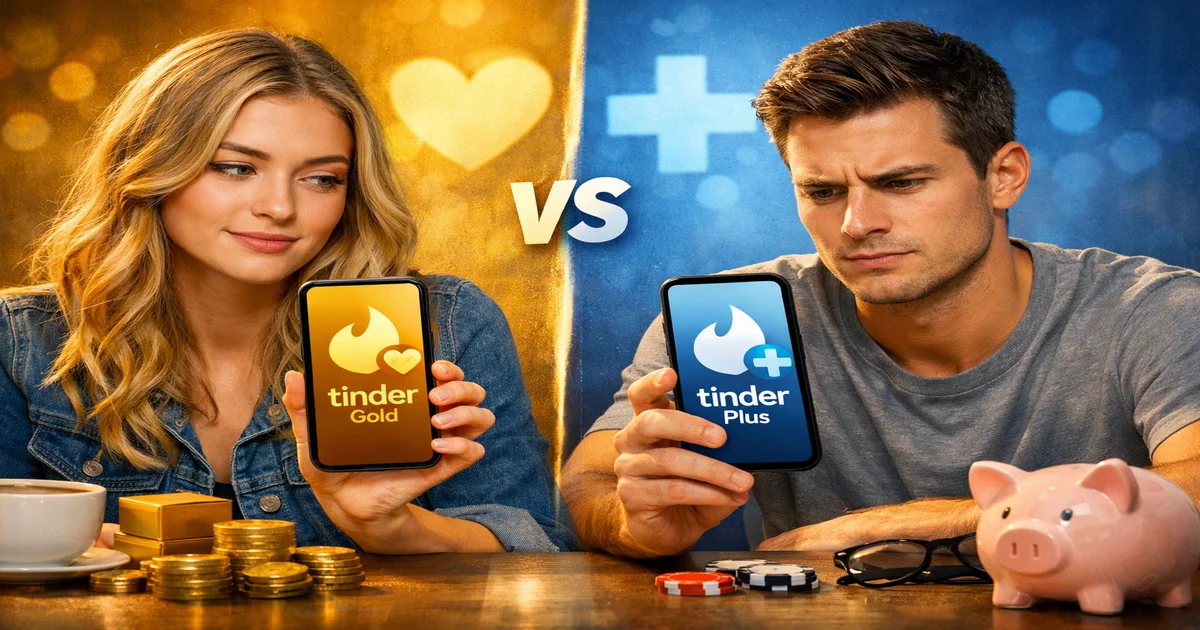
I’ve paid for both Tinder Gold and Tinder Plus at different points in my life, and I’ll be honest — one of them felt like a genuine upgrade, and the other felt like I was paying for a feature I barely used.
TL;DR
- Tinder Plus runs $7.99–$14.99/month for under-30 users with unlimited swipes and Passport
- Tinder Gold at $14.99–$29.99/month adds the “Likes You” feature showing everyone who swiped right
- Gold pays off only if you get enough incoming likes to benefit from skipping the queue
If you’re sitting on the fence wondering whether to swipe right on a paid plan, this breakdown will save you from making the same mistake I did.
The short version: Tinder Gold’s “Likes You” feature changes the entire experience — but only if you’re getting enough likes to make it worthwhile. Let me explain exactly what you get with each plan, what the real-world difference feels like, and who should actually pay for which one.
What Do You Actually Get With Tinder Plus?
Tinder Plus is the entry-level paid tier, and it’s been around since 2015. For a monthly fee that varies by age and location (typically $7.99–$14.99/month in the US for users under 30), you unlock a solid set of features that genuinely improve the free experience.
Here’s what Plus includes:
- Unlimited right swipes — the free version caps you at 100 swipes per 12 hours
- 5 Super Likes per day (free users get 1)
- 1 free Boost per month — pushes your profile to the top of the stack for 30 minutes
- Passport — lets you change your location and swipe anywhere in the world
- Rewind — undo your last swipe if you accidentally swiped left
- No ads — the free version has them, and they’re annoying
Honestly, the unlimited swipes alone are worth it if you’re an active user. The Passport feature is underrated too — I used it before a trip to Barcelona to match with people before I even landed.
What Does Tinder Gold Add on Top of That?
Gold includes everything in Plus, and then adds two significant features. The price jump is real — Gold typically runs $14.99–$29.99/month depending on your age and region.
The two Gold-exclusive features are:
- Likes You — you can see a full list of everyone who has already swiped right on you
- Top Picks — a curated daily selection of 10 profiles Tinder thinks you’ll like
The Likes You feature is the one that matters. Instead of swiping blindly and hoping for a match, you can scroll through a list of people who already want to match with you. You just decide yes or no. It completely flips the dynamic.
Top Picks, on the other hand, I found pretty underwhelming. The algorithm’s “curated” selections weren’t noticeably better than my regular stack. It felt like a feature designed to justify the price gap more than to actually help you date better.
Is the ‘Likes You’ Feature Actually Worth the Price Difference?
Here’s where it gets real. The Likes You feature is genuinely useful — but only if you have a decent number of likes coming in.
If your profile is getting 50+ likes a week, being able to see them all and selectively match is a massive time-saver. You skip the uncertainty. You know there’s already mutual interest before you even swipe. For people who get a lot of attention on Tinder, Gold pays for itself in efficiency alone.
But if you’re getting 5–10 likes a week? The feature loses most of its value. You could just swipe normally and hit those matches organically. Paying an extra $10–$15/month for a short list you could find through regular swiping doesn’t make financial sense.
The honest truth is that Tinder’s free version already teases you with blurred-out profile pictures of people who liked you. That’s intentional — it’s designed to make you upgrade. Don’t let FOMO drive the decision. Think about your actual activity level first.
How Much Does Each Plan Actually Cost in 2026?
Tinder uses dynamic pricing, which means your age, location, and even your device can affect what you’re charged. This is controversial — and yes, it’s been the subject of lawsuits — but it’s still how they operate.
Rough US pricing as of 2026:
| Plan | Under 30 | Over 30 |
|---|---|---|
| Tinder Plus | ~$7.99/month | ~$14.99/month |
| Tinder Gold | ~$14.99/month | ~$29.99/month |
| Tinder Platinum | ~$19.99/month | ~$39.99/month |
A few things worth knowing:
- Annual plans are significantly cheaper — Gold drops to roughly $10/month if you pay for a full year upfront
- 6-month plans offer a middle ground if you’re not ready to commit to a year
- iOS users sometimes pay more than Android users for the same plan — Apple’s App Store fees get passed on
If you’re over 30, the price gap between Plus and Gold becomes harder to justify unless you’re a heavy user.
Tinder Plus vs Gold: Who Should Choose Which?
Let me make this simple. After using both, here’s my honest take on who each plan is actually for.
Choose Tinder Plus if:
- You’re a casual user who swipes a few times a week
- You mainly want unlimited swipes and the monthly Boost
- You’re traveling and want to use Passport in new cities
- You’re under 30 and the price difference between Plus and Gold feels significant
Choose Tinder Gold if:
- You’re actively dating and spending real time on the app every day
- Your profile gets consistent attention (you can check this by upgrading for one month and seeing your Likes You count)
- You want to be more selective and efficient with your time
- You’re using Tinder as a serious tool for meeting people, not just casual browsing
The biggest mistake people make is paying for Gold when their profile isn’t optimized — because seeing a list of people who liked you doesn’t help if your photos and bio aren’t attracting the right matches in the first place.
What About Tinder Platinum — Is It Even Worth Mentioning?
Platinum is Tinder’s top tier, and it adds two features on top of Gold: the ability to message someone before they match with you (when you Super Like them), and priority placement in the Likes You feed of people you Super Like.
Honestly? I think Platinum is overkill for most people. The ability to message before matching sounds great in theory, but in practice, cold messages to people who haven’t matched with you yet have a very low response rate. Platinum makes sense only for extremely high-intent users who are treating Tinder like a full-time job.
For the vast majority of people reading this, the choice is between Plus and Gold — and Platinum can be safely ignored.
Does a Paid Plan Actually Get You More Matches?
This is the question everyone really wants answered. And the honest answer is: indirectly, yes.
Paid plans don’t directly boost your visibility in the algorithm (that’s what Boosts are for). But they remove friction. Unlimited swipes means you can be more active. The monthly Boost gives you a real visibility spike. And if you’re on Gold, the Likes You feature lets you match faster with people who are already interested.
Users who upgrade to paid tiers often report getting more matches, but the primary driver tends to be more active usage rather than the algorithm itself.
So the plan itself isn’t magic. It just removes the barriers that slow you down.
Are There Better Alternatives to Paying for Tinder at All?
Worth asking. If you’re looking for something more serious — actual relationship potential rather than casual connections — Tinder’s paid plans might not be the best investment regardless of which tier you choose.
Apps like Hinge (free with optional paid features), Bumble, and OkCupid offer more relationship-focused matching systems. Hinge in particular has built its entire brand around being “designed to be deleted” — meaning it’s optimized for finding a real relationship, not just maximizing swipe volume.
If your goal is a serious relationship, I’d honestly suggest trying Hinge’s free version before spending $15–$30/month on Tinder Gold. The quality of matches and the depth of profiles tends to be higher for people with long-term intentions.
That said, Tinder’s sheer user base is unmatched. With over 75 million monthly active users globally as of 2025, the volume of potential matches is still the platform’s biggest advantage.
My Verdict
If I had to choose today, I’d go with Tinder Plus for most people and Tinder Gold for serious, active daters who are already getting consistent likes.
Plus gives you the core upgrades that actually change your daily experience — unlimited swipes, Boosts, Passport, and no ads. Gold adds the Likes You feature, which is genuinely powerful, but only if your profile is already performing well enough to generate a meaningful list.
My recommendation: start with one month of Gold to see how many likes you’re actually getting. If the Likes You list is long enough to be useful, stick with Gold. If it’s sparse, downgrade to Plus and invest that extra money in better photos instead — because that will do more for your match rate than any subscription ever will.
Frequently Asked Questions
-
What is the main difference between Tinder Gold and Tinder Plus?
Gold includes everything in Plus, plus the ability to see who already liked you (Likes You feature) and daily Top Picks. Plus covers unlimited swipes, Boosts, Passport, and Rewind. -
Is Tinder Gold worth it if I don’t get many likes?
Probably not. The Likes You feature — Gold’s biggest selling point — only adds real value if you’re receiving a significant number of likes each week. -
How much does Tinder Gold cost per month in 2026?
It varies by age and location, but US users typically pay $14.99–$29.99/month. Annual plans bring the cost down to roughly $10/month. -
Does upgrading to Tinder Gold increase your matches?
Not directly. Paid plans remove friction and give you tools like Boosts, but the algorithm doesn’t automatically show your profile to more people just because you paid. -
Should I choose Tinder or Hinge for serious relationships?
Hinge is generally better optimized for people seeking long-term relationships. Tinder has a larger user base, but its culture skews more casual. If commitment is your goal, Hinge is worth trying first.